Ask a general chatbot for a services agreement and you will get plausible text. Ask a lawyer and you get defined terms that stay consistent, indemnities scoped to the actual deal, and boilerplate that fits the governing law. An AI contract writer earns a place in your practice only if its output lands closer to the second category: language you can put in front of a client after one careful review pass, not a sketch you rebuild clause by clause.
This guide compares six AI contract writers on that standard: the quality of the drafted language, how much control you keep over individual clauses, and how well each tool customizes to your matter and jurisdiction. Most of the tools here are general-purpose AI writers — ChatGPT, Claude, Copilot — that keep you in the driver's seat: you supply the structure and the legal judgment, the model supplies fast language. That is deliberately a different market from platform-based authoring; if your firm wants templates, clause governance, and approval workflows wrapped around every draft, our guide to the best contract authoring software covers those platforms. And if you want quick self-service documents rather than professional drafting, the best AI contract generators roundup covers that end of the market.
AI contract writers for lawyers: a brief overview
- LegesGPT: Best overall: drafts client-ready contracts from plain-language instructions, starts from attorney-drafted templates, and reviews its own draft for risk before you e-sign.
- ChatGPT: Best for fast first drafts: quick, flexible clause generation when you supply the structure and check every line yourself.
- Claude: Best for long, heavily negotiated agreements: handles full-length contracts and detailed drafting instructions with a careful, structured style.
- Microsoft Copilot: Best for drafting inside Word: writes and revises contract language in the application most firms already draft in.
- Gavel: Best for repeatable, precedent-based contracts: turns your own vetted templates into guided workflows that assemble consistent documents.
- Genie AI: Best free starting point: a genuine free tier for lawyers who only draft a few agreements a month.
| Tool | Best for | Starting price | Free trial | Jurisdiction support |
|---|---|---|---|---|
| LegesGPT | Client-ready drafting with built-in risk review | From $19.99/mo | 3-day for $1 | 38+ countries |
| ChatGPT | Fast general-purpose first drafts | $20/mo (Plus) | Free tier | None built in |
| Claude | Long, complex agreements | $20/mo (Pro) | Free tier | None built in |
| Microsoft Copilot | Drafting inside Microsoft Word | $19.99/mo | Limited free chat | None built in |
| Gavel | Precedent-based, high-volume contracts | From $83/mo (annual) | 7-day | Follows your templates |
| Genie AI | Occasional low-volume drafting | Free; Pro $75/mo | Free plan | UK and US focus |
1. LegesGPT, best overall AI contract writer for lawyers
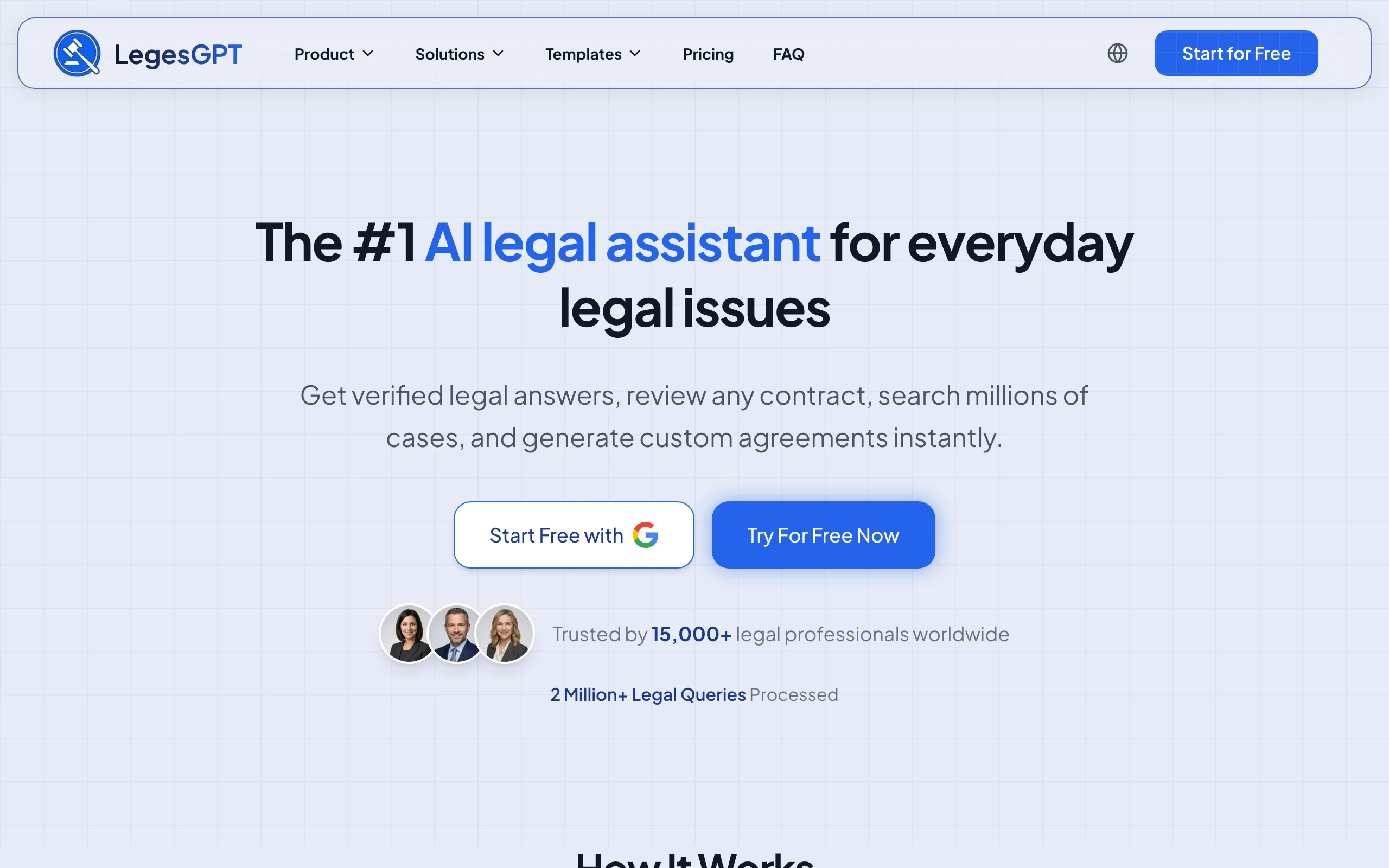
LegesGPT approaches contract writing the way a careful senior associate would: start from proven language, adapt it to the deal, then check the work before it leaves the building. You describe the agreement in plain English and the AI drafts it with your jurisdiction and facts in mind, or you begin from one of 100+ attorney-drafted templates so the base language is lawyer-grade rather than generated from nothing.
The step most AI contract writers skip is the second pass. LegesGPT can review the draft it just produced, flag risky or missing clauses, and propose replacement wording, and once the contract is final you collect signatures with built-in e-signature. When a clause raises a legal question, the assistant answers it with verified citations and source links, backed by case law and statute search.
Key features
- Drafts contracts and legal documents from plain-language instructions, adapted to your jurisdiction
- 100+ attorney-drafted templates as starting points for common agreements
- AI review that flags risks and proposes changes, on its own drafts or uploaded counterparty paper (PDF, DOCX, and more)
- Legal questions answered with verified citations and source links, plus case law and statute search
- Built-in e-signature to execute the finished contract
- Free tools, including a contract generator and citation generator
Best for
- Solo lawyers and small firms that want drafting, risk review, and signing in one subscription
- Lawyers who want attorney-drafted base language with AI customization, not purely generated text
- Practices producing varied agreements where building a template engine is not worth the setup
Pricing
- Basic $19.99/mo; Plus $49.99/mo adds document upload and 50 document reviews per month
- Premium $99.99/mo adds unlimited review, Deep Research mode, and web search
- 3-day trial for $1, with roughly 30% off on annual billing
Pros
- One subscription covers drafting, review, research, and e-signature, in a browser with no IT setup
- Attorney-drafted templates give every draft a vetted starting point
- The self-review step catches weak or missing clauses before a client ever sees them
Cons
- Newer brand than the household-name AI assistants on this list
- Web only: no Word add-in, API, or native mobile app
2. ChatGPT, best for fast first drafts you shape yourself
ChatGPT, from OpenAI, is the quickest route to a working draft when you already know what the contract should contain. Hand it the deal points, the clause list, and your defined terms, and it returns clean boilerplate in seconds, then rewrites any clause on command. Custom GPTs and projects let you store standing drafting instructions, so your preferred style carries between matters.
What it does not bring is legal judgment. There are no citations, no jurisdiction logic, and no warning when a clause is unenforceable where you practice, so it works best as a fast junior drafter whose every line you review.
Key features
- Generates and rewrites contract language from prompts
- Long context window for pasting a full agreement to revise
- Custom GPTs and projects to save standing drafting instructions
- Free tier, with more capable models on paid plans
- Browser and mobile apps
Best for
- Lawyers who direct the drafting closely and review every line
- Quick boilerplate, clause rewrites, and plain-language explanations for clients
Pricing
- Free tier available; Plus $20/mo
- Pro $200/mo for heavy use; Team and Enterprise plans for firms
Pros
- Fast and flexible across any agreement type
- Inexpensive next to legal-specific platforms
- Familiar interface most lawyers have already used
Cons
- No legal citations or jurisdiction awareness, and it can invent plausible but wrong clauses
- Check data-handling terms before pasting client information on consumer tiers
3. Claude, best AI contract writer for long, complex agreements
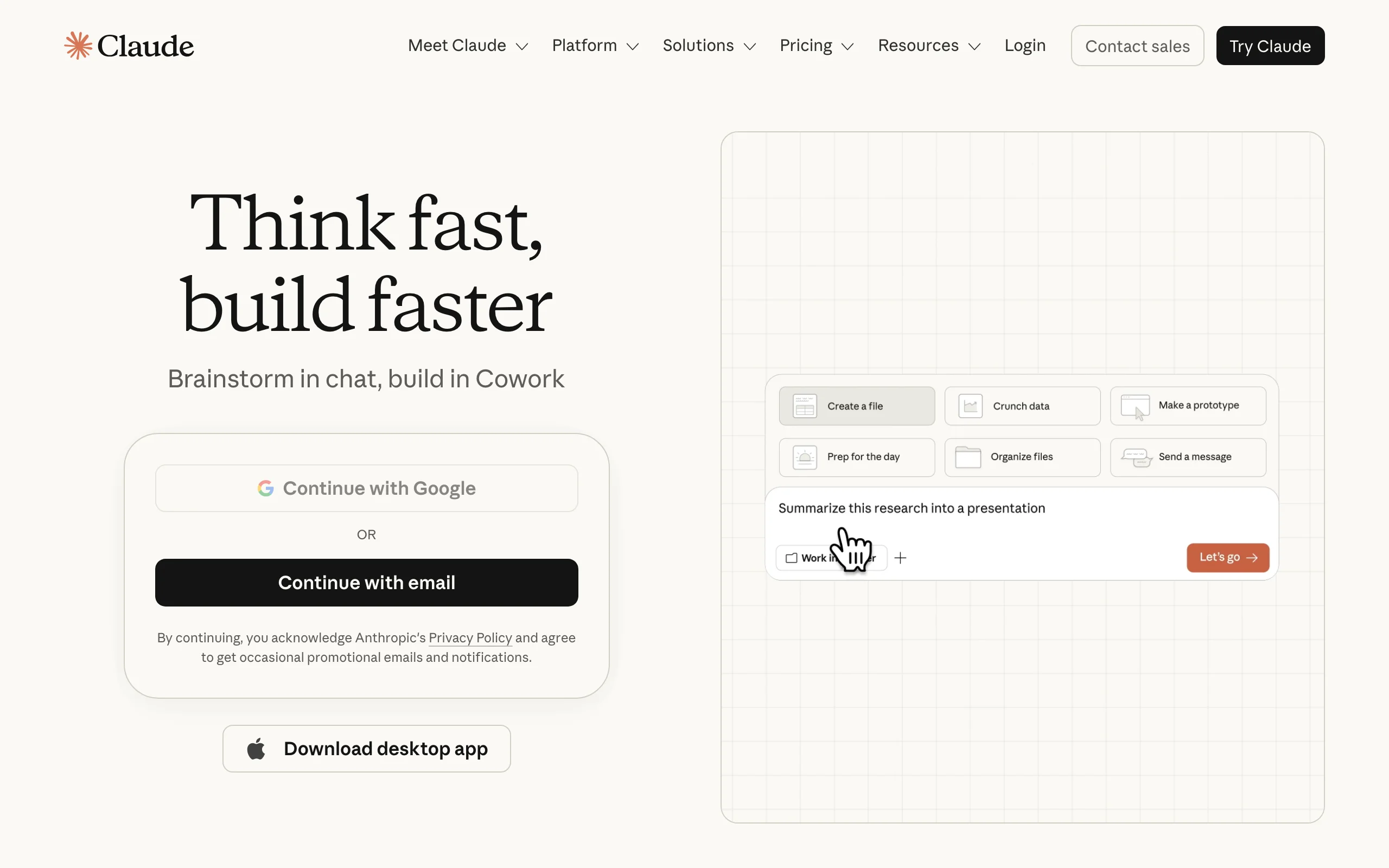
Claude, from Anthropic, stands out when the document is long and the instructions are detailed. Redrafting a dense master services agreement, reconciling two markups, or applying a ten-point playbook across an 80-page contract are the jobs where its large context window and careful instruction-following pay off. Many lawyers also prefer its prose for nuanced, structured drafting.
Like ChatGPT, it is a general-purpose model with no legal training, so it will not cite authority or apply jurisdiction rules. Projects let you store your playbooks and house style so long-running matters keep a consistent voice.
Key features
- Large context window that holds full-length contracts and exhibits
- Precise instruction-following for detailed, multi-step drafting requests
- Projects for storing playbooks, precedent language, and style guides
- Editable document output you can iterate on in place
- Free tier plus paid plans
Best for
- Long or heavily negotiated agreements that overwhelm smaller context windows
- Lawyers who want measured, structured drafting rather than fast boilerplate
Pricing
- Free tier available; Pro $20/mo
- Max plans from $100/mo for high usage; Team and Enterprise plans available
Pros
- Excellent output quality on long, complex documents
- Follows detailed drafting instructions with fewer misses than most general models
Cons
- No citations, jurisdiction logic, or built-in risk review, so all verification is on you
- General-purpose pricing tiers, not a legal product with legal data commitments
4. Microsoft Copilot, best for drafting without leaving Word
Most contracts still get finalized in Microsoft Word, and Copilot is the AI that lives there. It writes, rewrites, and summarizes contract language directly in Word and Outlook, which removes the copy-paste loop that every browser-based tool imposes. On business tiers it can ground its output in documents stored across your Microsoft 365 tenant, and enterprise data protection applies to what you submit.
The drafting engine itself is general-purpose: no legal citations, no clause benchmarks, no jurisdiction checks. Its case rests on workflow fit for firms already paying for Microsoft 365.
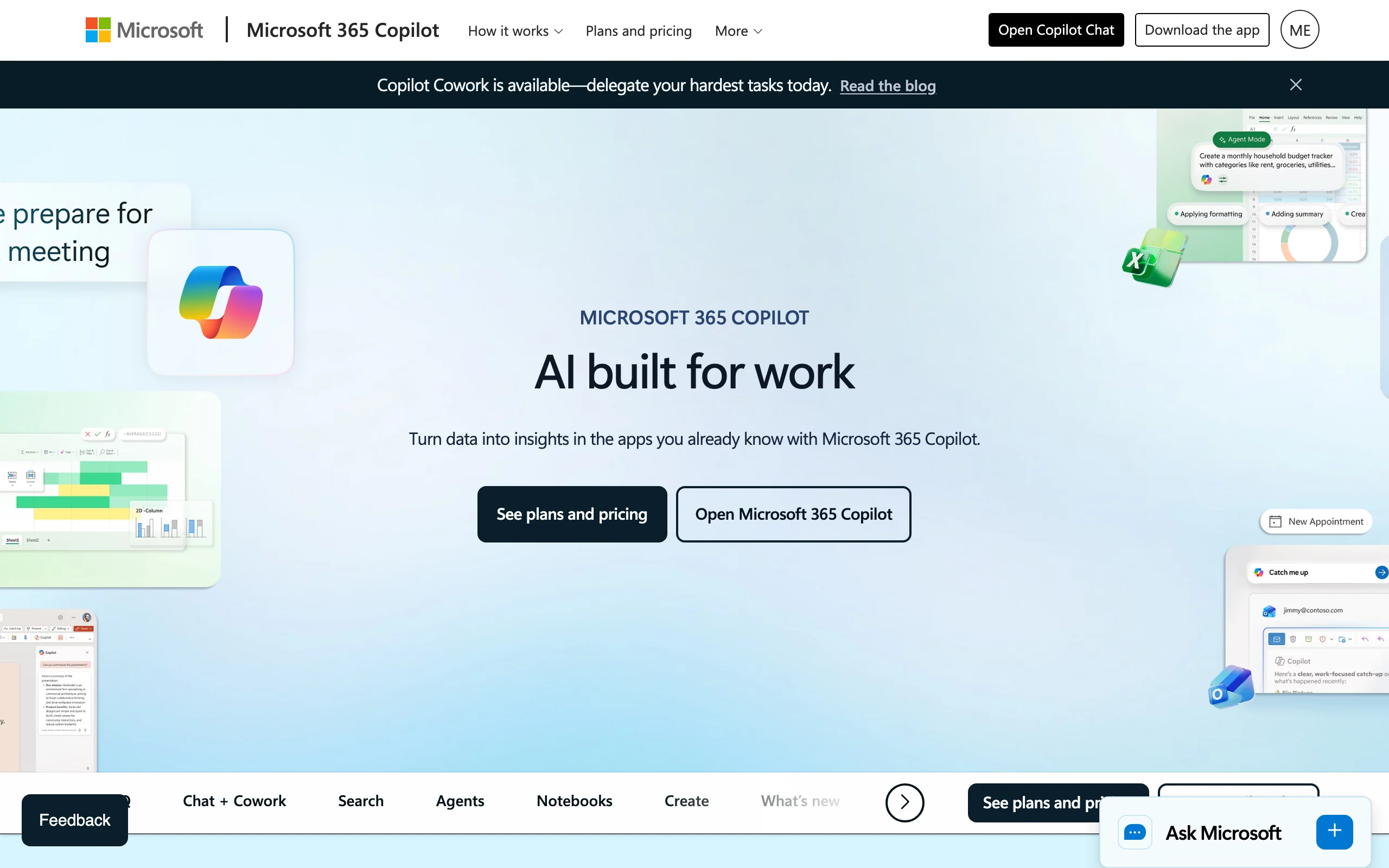
Key features
- Drafts and revises contract language inside Word
- Works across Outlook, Teams, and Excel
- Grounds responses in your Microsoft 365 files on business plans
- Enterprise data protection on Microsoft 365 tiers
- Consumer and business licensing options
Best for
- Firms standardized on Microsoft 365 that draft and negotiate in Word
- Teams whose IT policies require enterprise-grade data handling
Pricing
- Microsoft 365 Premium (individual Copilot) $19.99/mo
- Microsoft 365 Copilot for business $30/user/mo; a limited free Copilot chat exists
Pros
- AI drafting in the exact application your contracts already live in
- Strong data protections on business tiers
Cons
- No legal-specific drafting intelligence or citations
- Full value assumes a Microsoft 365 commitment on top of the Copilot fee
5. Gavel, best for turning firm precedents into repeatable contracts
Gavel (formerly Documate) gives you total clause control by changing where the language comes from: your own precedents. You upload vetted Word or PDF templates, tag the variable fields, and build guided questionnaires that assemble a finished, on-brand contract the same way every time. Nothing in the output exists unless a lawyer at your firm approved it first, which is exactly what high-volume practices want.
The trade-off is setup: someone has to build and maintain those workflows. Gavel Exec, a separately priced add-on, layers AI-assisted drafting and review inside Word for the freeform work.
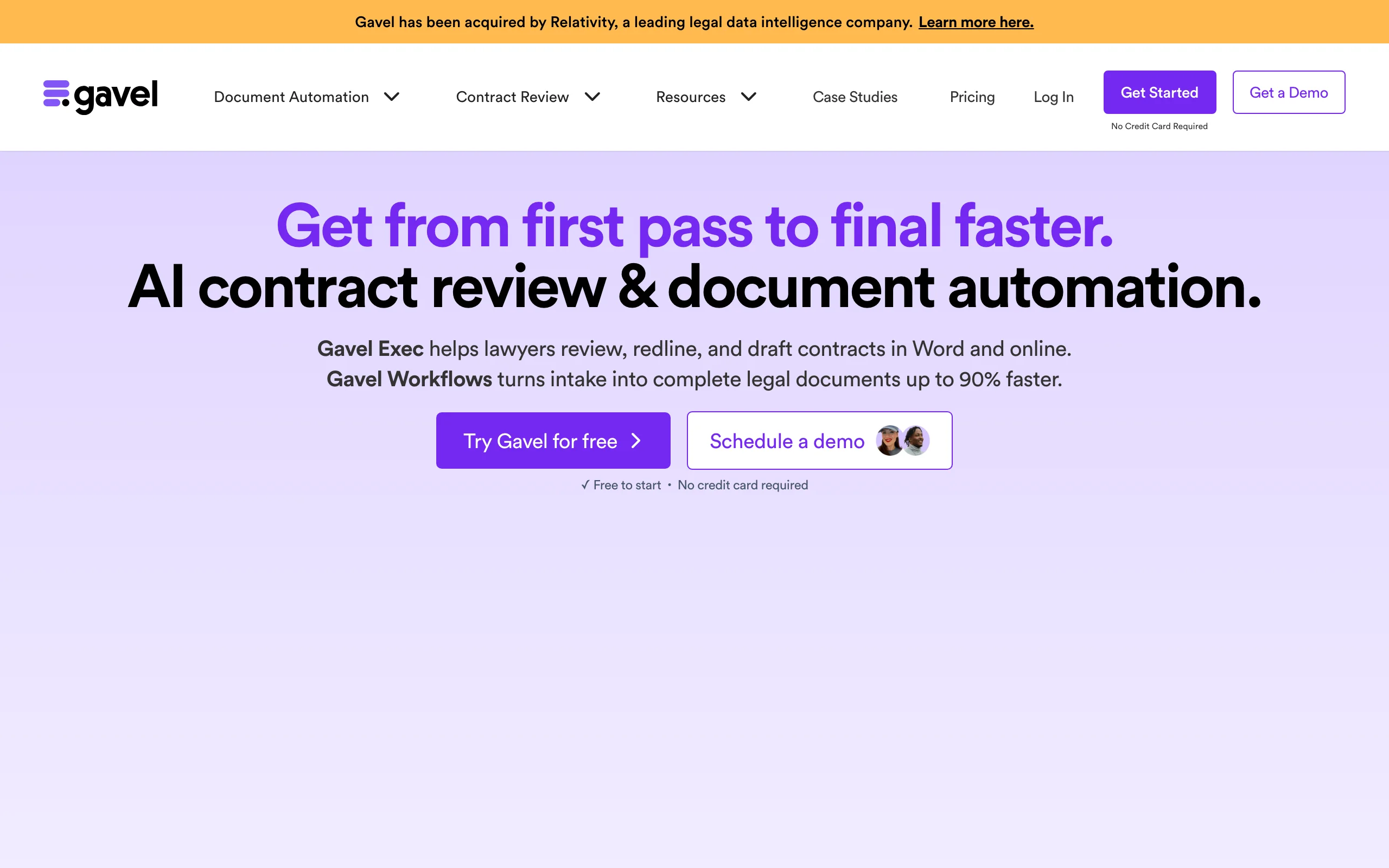
Key features
- No-code automation that builds contracts from your own templates
- Guided intake questionnaires, including client-facing ones
- Reusable client data across workflows
- Gavel Exec add-on for AI drafting and review inside Word
- API and integrations on higher tiers
Best for
- Firms producing the same agreements repeatedly at volume
- Teams that need every clause traceable to an approved precedent
Pricing
- Lite from $83/mo billed annually ($99 month-to-month); Standard, Pro, and Scale tiers add templates and seats
- Gavel Exec is priced separately per user; 7-day free trial with no credit card
Pros
- Absolute clause control, since output comes only from firm-approved language
- Consistent, on-brand documents at any volume
Cons
- Real upfront hours to build and maintain templates
- Less suited to varied, one-off agreements than freeform AI writers
6. Genie AI, best free tier for occasional contract drafting
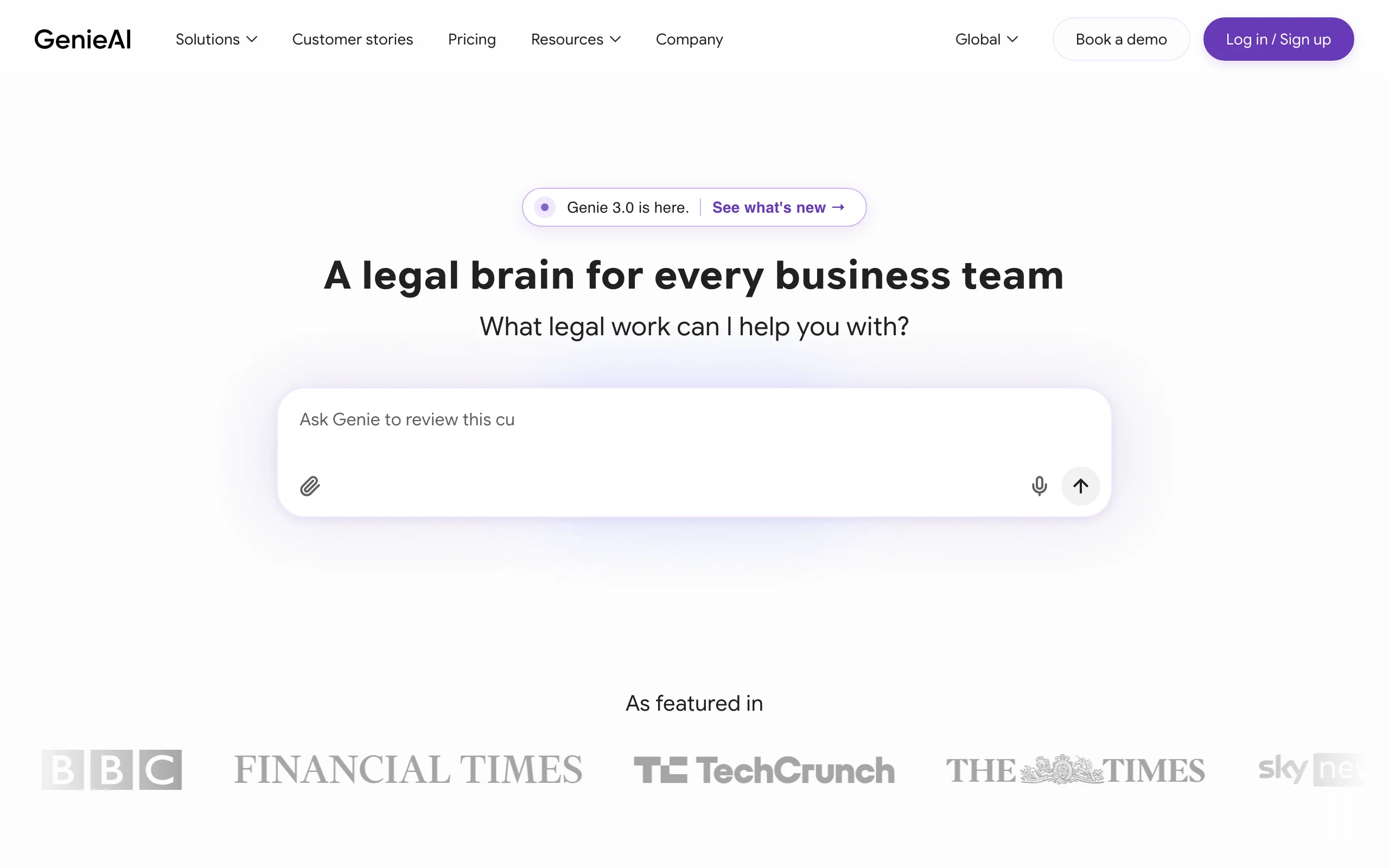
Genie AI is a contract-focused platform whose standout is a genuine free plan, something neither the general chatbots' legal usefulness nor the professional platforms' pricing really offers. Lawyers with low contract volume can generate and edit agreements from a large template library at no cost, then move to a paid tier only when volume justifies it.
Paid plans add AI drafting and review, collaboration, and e-signing. Coverage centers on UK and US law, and the caps on lower tiers mean regular drafters outgrow the free plan quickly.
Key features
- Free plan covering a small number of documents per month
- Large library of contract templates
- AI drafting and review on paid tiers
- Collaboration and e-signing features
- UK and US legal coverage
Best for
- Solos and small firms drafting only a handful of contracts a month
- Testing template-driven AI drafting before spending anything
Pricing
- Free plan with limited documents and features
- Pro $75/mo for a single user; Business and Enterprise plans for teams
Pros
- A real free tier, rare in legal-specific tools
- Template-driven output keeps structure predictable
Cons
- Document caps on lower tiers pinch as volume grows
- Narrower than an all-in-one legal assistant, with less review depth than dedicated tools
How to choose the best AI contract writer for your practice
Four questions separate these six tools cleanly. Answer them in order and your shortlist writes itself.
Decide how much of the job the AI should do
- If you only want raw first-draft text and will do all checking yourself: ChatGPT or Claude at $20/mo is enough.
- If you want the draft plus a risk check and e-signature in the same tool: LegesGPT covers the full path from instruction to executed contract.
- If review is your bigger bottleneck than drafting, compare the best AI contract review tools before buying a writer.
Ask where the contract language should come from
- If every clause must trace to firm-approved precedent: Gavel assembles only from your own templates.
- If you want vetted starting points that the AI then customizes: LegesGPT pairs attorney-drafted templates with plain-language drafting.
- If generated text you heavily edit is acceptable: the general models (ChatGPT, Claude, Copilot) are fastest.
Match the tool to your volume and where you draft
- Same agreements repeatedly, high volume: Gavel.
- A few one-off contracts a month: Genie AI's free tier, upgraded only if volume grows.
- Varied client work in Word all day: Copilot; browser-first and tool-agnostic: LegesGPT. For a wider look at drafting-focused platforms, see our guide to the best AI contract drafting tools.
Run the price-to-value math on your real documents
The gap is wide: general AI runs about $20/mo, LegesGPT $19.99 to $99.99/mo depending on review volume, Gavel from $83/mo plus template-building hours, and Genie AI from free to $75/mo. Before committing, test 3 to 5 of your actual contracts in each finalist, not the vendor's demo files. The right AI contract writer is the one that drafts your real agreements in language you would sign your name under, at a price that beats the hours it saves.